
Course Description: Introduction to Biblical Counseling
Course Code: CC-201
Credit Hours: 3
Welcome to Biblical Counseling!
This foundational course provides an introduction to the principles, philosophy, and practice of biblical counseling. The class will examine the biblical model of soul care and compare it to modern secular psychological frameworks, emphasizing the authority and sufficiency of Scripture in addressing human struggles.
Students will explore a biblical understanding of the human person, the nature of sin and suffering, the process of genuine heart change through sanctification, and the centrality of the gospel in counseling. The course will focus on developing basic counseling skills and applying a practical, redemptive methodology to common life issues faced in ministry settings.
- Teacher: Chad Whiteley

Introduction to Christian Psychology
This course is a general introduction to the basic concepts and theories of psychology, with a special emphasis on integrating a Christian worldview with the scientific study of the mind and behavior. Students will examine the foundations of human nature, created in God's image but affected by the Fall, and explore the redemptive possibilities for growth and healing. The course aims to equip students to critically analyze psychological theories and discern between secular perspectives and biblical truth, preparing them to apply these concepts in meaningful, real-world contexts, including potential careers in counseling or ministry.
- Teacher: Chad Whiteley
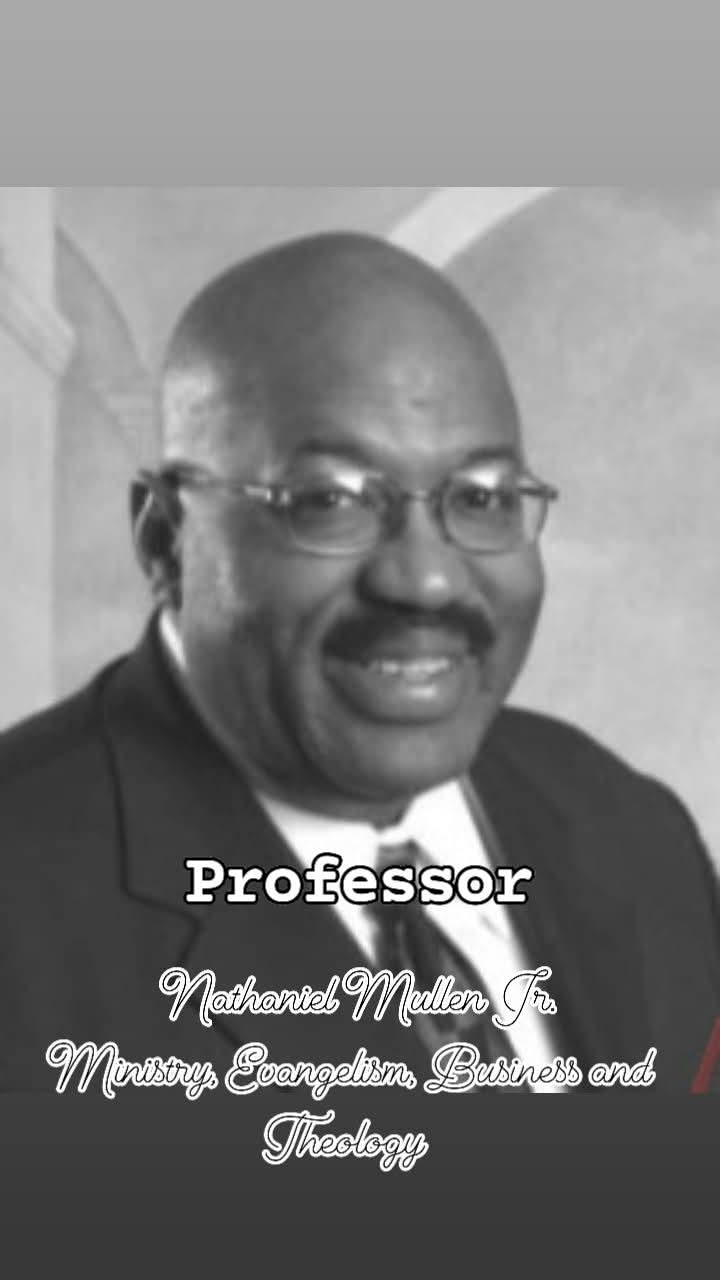
Pentecostal Hermeneutics
This course offers a comprehensive study of biblical interpretation (hermeneutics) from a Pentecostal-charismatic perspective, integrating sound exegetical methods with a dynamic understanding of the Holy Spirit's ongoing work in the life of the believer and the community of faith. Students will explore the history of biblical interpretation, master the tools of standard evangelical hermeneutics (historical-cultural context, literary genres, grammatical analysis), and investigate how Pentecostal distinctives—such as the role of experience, the emphasis on narrative literature (e.g., the book of Acts), and the expectation of supernatural engagement—shape the interpretive process. The ultimate goal is to equip students with the skills to interpret the Bible accurately and to apply its message effectively in various ministry settings, including preaching, teaching, counseling, and personal spiritual formation, resulting in a life transformed by God's wisdom and power.
- Teacher: Nathaniel Mullen

Course Description: Systematic Theology 2
Course Code: THEO 302
Credit Hours: 3
Credit Hours: 3
Systematic Theology 2 builds upon the foundational theological principles established in Systematic Theology 1. This course provides an in-depth, biblically grounded exploration of key doctrines from a distinctly Pentecostal perspective. Students will engage in rigorous study of the nature of the Holy Spirit, the experience of Spirit baptism and spiritual gifts, the doctrine of the Church (Ecclesiology), the means of grace (Sacraments), the nature and mission of the Kingdom of God, and the doctrine of the End Times (Eschatology). Emphasis is placed on the practical implications of these doctrines for personal piety, the life of the local church, and global mission in the power of the Spirit
- Teacher: Fredrick Odhiambo Odongo